Why should my business be adapting to climate change? 

Food and drink manufacturing businesses are striving to manage their operations in the most sustainable ways possible. From reducing greenhouse gas (GHG) emissions by investing in renewables, improving manufacturing energy efficiencies and reducing water consumption, to reviewing sourcing policies for raw materials and packaging, firms are taking action to mitigate their environmental impacts and slow the rate of climate change. 

However, despite these collective efforts, the effects of climate change are now unavoidable and will continue to impact Wales’s future in the years ahead. It is therefore important that whilst the climate change mitigation efforts continue, your business adapts to the risks and opportunities that climate change presents. 

In order to encourage businesses to become climate conscious in their everyday operations we have developed a series of training modules to provide practical support to build the skills and approaches needed to deal successfully with unpredictable events. 
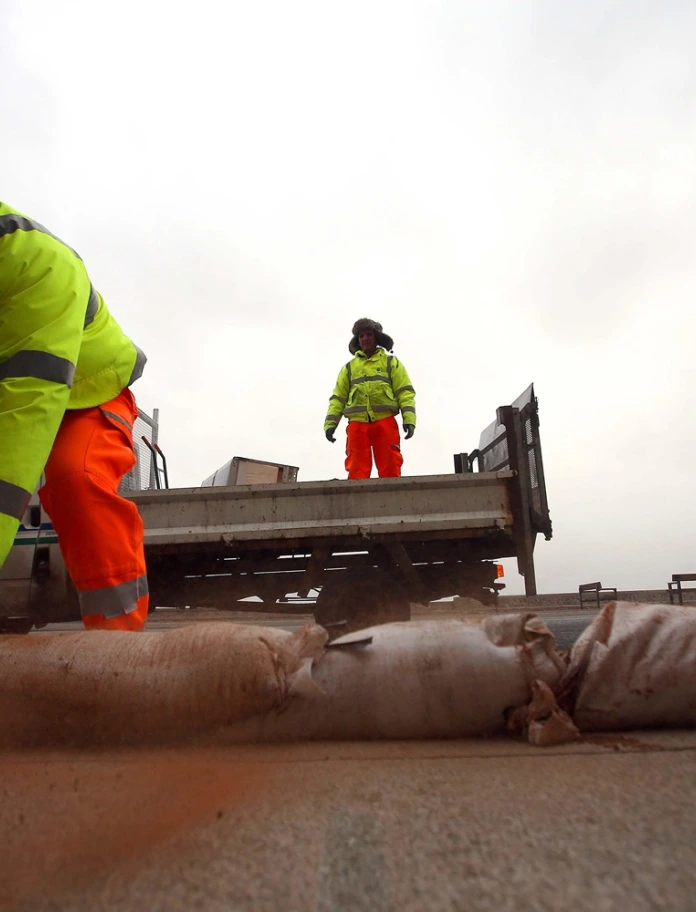
Workers putting out sand bags to protect against flooding

How to use the training modules 

The training modules have been designed as guides to help you assess your business in the context of climate change. 

While every food and drink business is unique, we hope that by selecting and acting upon the modules most relevant for your business you will build a framework to decide on the adaptations required to make your business more resilient to climate change, both now and in the future. 

Throughout the modules you will find examples, references and links to editable checklists and templates to help you in assessing and implementing the desired changes in your business. 

  • The Essential Guide to Business Continuity in a Changing Climate Get Your Food & Drink Business Climate Ready

    Climate change is shaping the future of food and drink manufacturing in Wales. While businesses continue to cut emissions and improve efficiency, adapting to climate risks is essential for long term resilience. 

    Our Essential Guide brings together practical training and insights from 8 modules to help businesses prepare for uncertainty and build climate resilience. 

    Download guide 

  • Module 1: Introduction to Climate Change Adaptation

    This module sets the scene for the Climate Adaption and Resilience Training, including an overview of climate change, the climate change predictions for Wales and why adaptation is important for food and drink businesses. 

    You can download the module, along with watching the accompanying video below. 

    Download module 

    Watch video
  • Module 2: Introducing Risk & Change Management & a CCACCP approach

    A serious climate event can disrupt business continuity in many different ways and therefore this module introduces the concept of CCACCP, Climate Conscious Analysis and Critical Climate Points, as a practical and methodical way to assess, prioritise, and address climate impacts, risks and opportunities for your business. 

    Using CCACCP’s systematic approach, this training will suggest some simple yet effective ways for your business to address climate change. It outlines preparations which you can make before you encounter extreme weather conditions which impact your business. 

    You can download the module, along with watching the accompanying video below. 

    Download module 

    Watch video
  • Module 3: Premises & Access

    This first focus area considers the buildings and sites which form the important locations for your business, as well as how these are accessed. There is considerable overlap between premises and access and our other five topics, but here we will focus on physical buildings, land and the routes that allow staff and goods to access these. 

    You can download the module, along with watching the accompanying video below. 

    Download module 

    Watch video
  • Module 4: Food Manufacturing & Production

    If you process, produce or manufacture your product range on your own site, this module will help you consider your production lines in greater depth by mapping your process flows from end to end and “walking the lines” to make sure that you don’t miss anything important relating to climate risks. Alternatively, if you use a contract manufacturer, then this module will help you ask the right questions to ensure your contract manufacturing partner is climate conscious. 

    You can download the module, along with watching the accompanying video below. 

    Download module 

    Watch video
  • Module 5: Supply Chains & Business Inputs

    Maintaining your supply chain is a critical part of being able to operate your business. This module will help you to assess your supply chain vulnerabilities in a step-by-step methodical approach.  

    Download module 

    Watch video
  • Module 6: Finance & Legal Considerations

    Module 6 will examine how climate change threats and opportunities may impact your business finances and legal obligations and suggests some practical approaches to adaptation that will bolster your business in the future. 

    Download module 

    Watch video
  • Module 7: Staff & Service Providers

    This module will consider how climate change can impact your staff and service providers. It outlines ideas to identify vulnerable people and provide appropriate adaptations which will allow them to remain as productive members of your team. 

    Download module 

    Watch video
  • Module 8: Customers & Consumers

    Module 8 considers how climate change presents both threats and opportunities in your relationships with your customers and those who ultimately consume your products. This module suggests some ways your business might adapt to reduce the impacts of risks and boost the benefits that climate change may present, both now and in the years ahead. 

    Download module 

    Watch video

Related stories

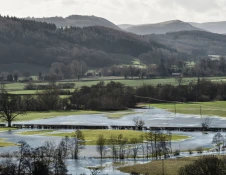
Flooded agricultural fields

Food and Drink Climate and Supply Chain Risks Quarterly Monitor

These quarterly reports explore the compounding effects of climate-related and other disruptions to the agri-food supply chain, highlighting impacts and consequences to Welsh food and drink manufacturers and supporting supply chain management and forecasting decisions.