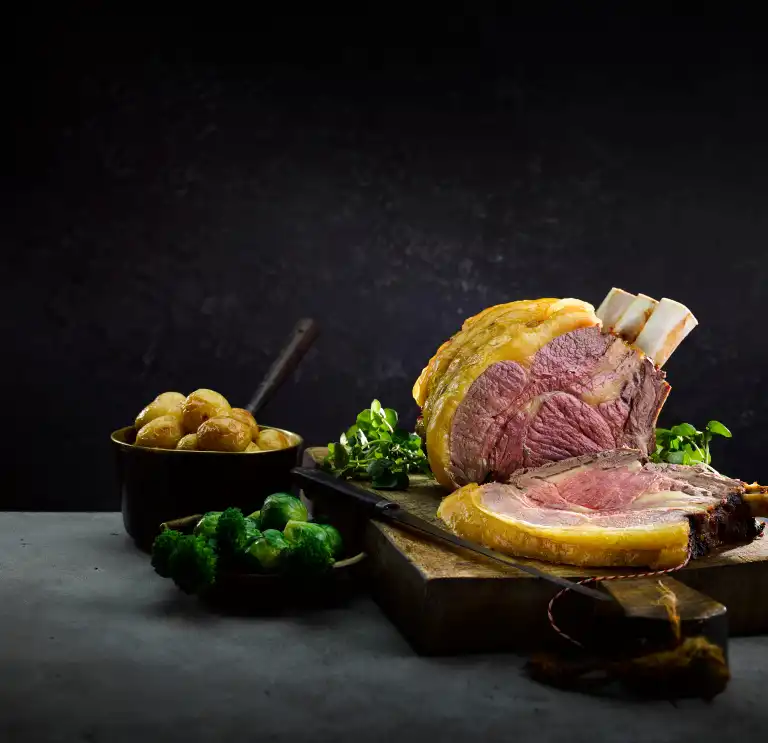
Historically the traditional cattle breeds of Wales were predominantly the Welsh Black and Hereford and these breeds remain at the foundation of the Welsh beef industry today. Welsh beef is derived from the traditional breeds of Wales and these breeds crossed with each other or with any other recognised breed. 

Our cattle form a key part of the agricultural landscape in Wales. The cattle feed on lush, abundant Welsh grasslands which are in turn fed by the wet, mild Welsh climate. All PGI Welsh Beef is reared on Welsh farmland with high animal welfare standards and full traceability. 

We continue to use the Welsh Beef PGI status to protect this outstanding product which is directly linked to the unspoilt natural landscape which Wales has to offer. Governing bodies are in place to ensure that the integrity and authenticity of the meat is maintained. Hybu Cig Cymru (HCC) are the guardians of PGI Welsh Beef. HCC is the industry-led organisation responsible for the development, promotion, and marketing of Welsh red meat. 
Related stories

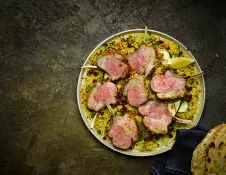
PGI Welsh Lamb

PGI Welsh Lamb

You can’t get more genuinely iconic than Welsh Lamb. Welsh sheep and lamb farming forms a fundamental part in the history, heritage, and culture of Wales.

Two whisky glasses

Single Malt Welsh Whisky (PGI) 

The first Welsh spirit to receive GI status, ‘Single Malt Welsh Whisky’ is recognised nationally and internationally as being a quality product with a distinct style.

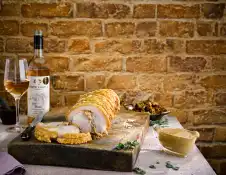
Traditionally Reared Pedigree Welsh Pork

Traditionally Reared Pedigree Welsh Pork (TSG) 

As the title of this produce suggests, tradition makes up the DNA of this pork rearing practice. Traditionally Reared Pedigree Welsh Pork is reared using specific traditional practices which are entirely different to conventional commercial systems of production.

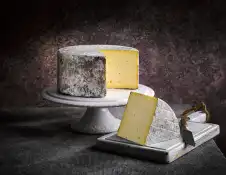
cheese

Traditional Welsh Caerphilly / Traditional Welsh Caerffili (PGI) 

This artisanal Welsh cheese tells a fascinating story spanning hundreds of years. The ‘Traditional Welsh Caerphilly’ which we eat today is based on an unchanged recipe written down by Annie Evans in her notebook in 1907, but which probably dates back well into the 19th century.