Edwards, The Welsh Butcher
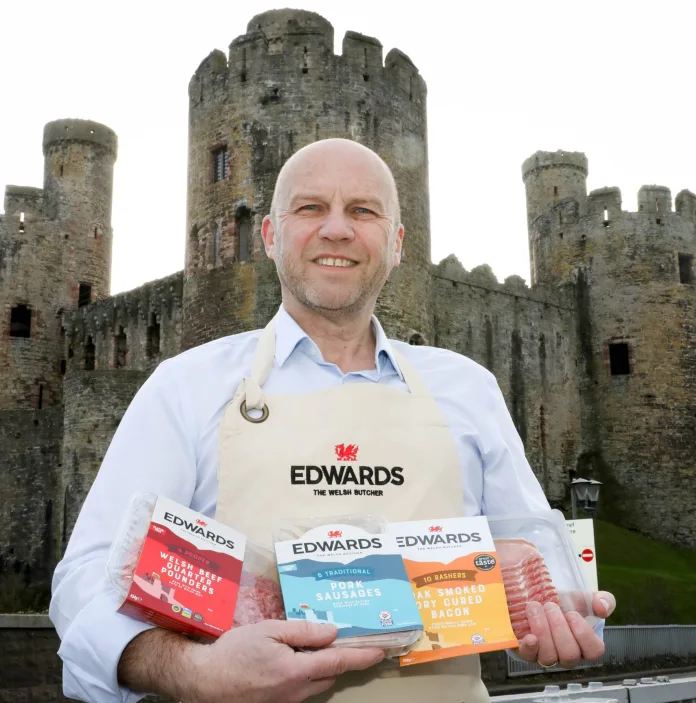
Edwards, The Welsh Butcher, recently completed the Carbon Reduction Pilot, which provided the company with essential tools and expert guidance to strategically enhance their sustainability practices within the food and drink industry.
Learn more about their experience here.
Ellis Eggs
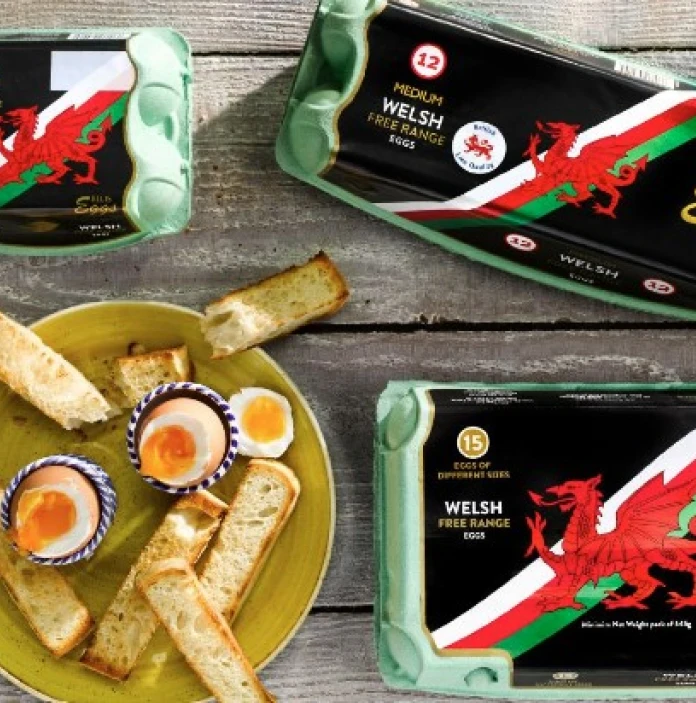
Ellis Eggs have completed the Carbon Reduction Pilot, which provided the company with essential tools and expert guidance to strategically enhance their sustainability practices within the food and drink industry.
Learn more about their experience here.
La Crème Patisserie
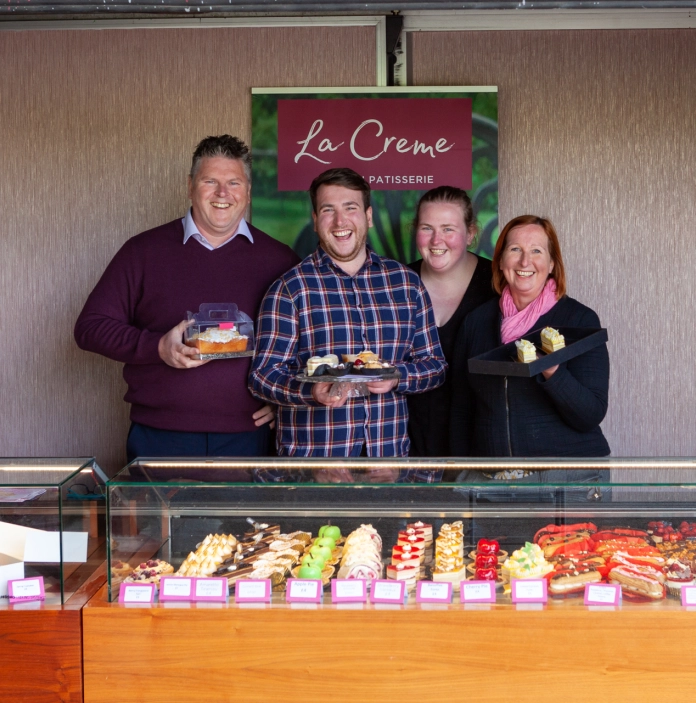
La Crème Patisserie completed the Carbon Reduction Pilot, which provided the company with essential tools and expert guidance to strategically enhance their sustainability practices within the food and drink industry.
Learn more about their experience here.
Llaeth y Llan / Village Dairy
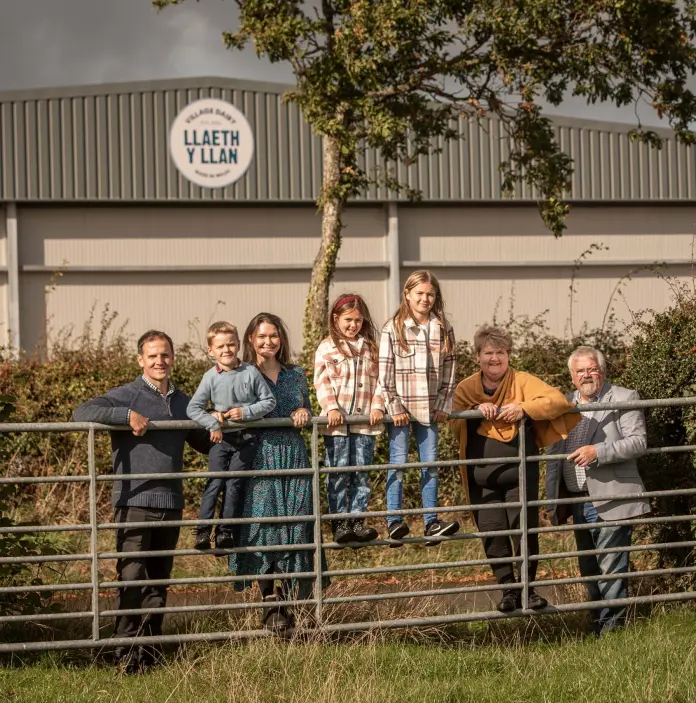
Llaeth y Llan / Village Dairy accessed the Carbon Reduction Pilot to map out its emissions, improve sustainability, and strengthen customer trust through greater transparency.
Learn more about their experience here.
Anglesey Sea Salt / Halen Môn
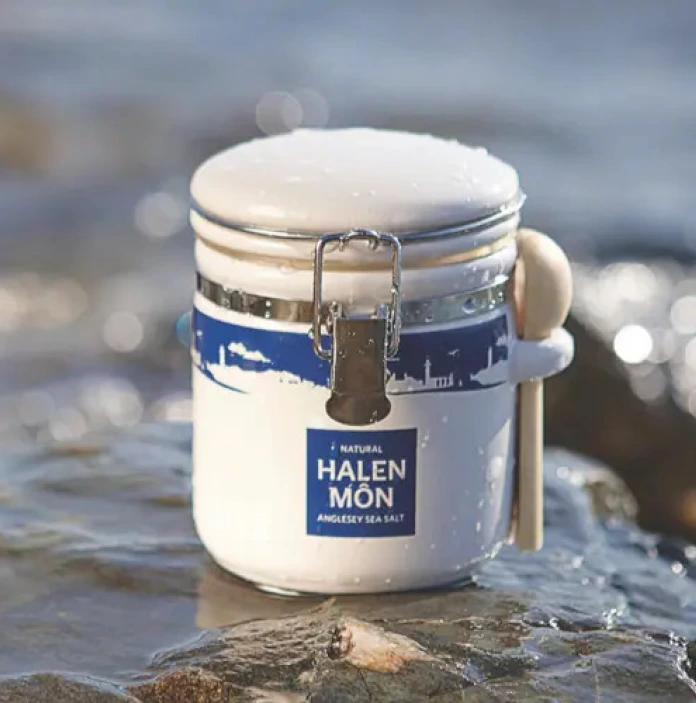
Founded in 1997 by Alison and David Lea-Wilson, the company remains family owned and has succeeded in developing and maintaining a sustainable, successful business which employs local people, underpinned with environmental and educational principles whilst also attracting tourists to a rural, coastal area of Wales. The business champions its staff and is committed to paying above the Living Wage and providing professional, social and wellbeing support. Its business culture is very important to the team.
Halen Môn is committed to driving the business forward towards a more sustainable future as it moves closer to its objective of zero to landfill every year by applying the principles of ‘Reduce, Reuse and Recycle’ to all waste and co-products.
Having recently achieved B Corp status after demonstrating the highest social and environmental standards, Halen Môn are using this as a benchmark for ongoing progress, looking at improving practices from their energy consumption to waste recycling, and encouraging their staff to take an active part and apply what they do at work, at home.
Following accreditation they have taken on a new General Manager, and a large part of their role will be to help improve working practices.
Purple Moose Brewery
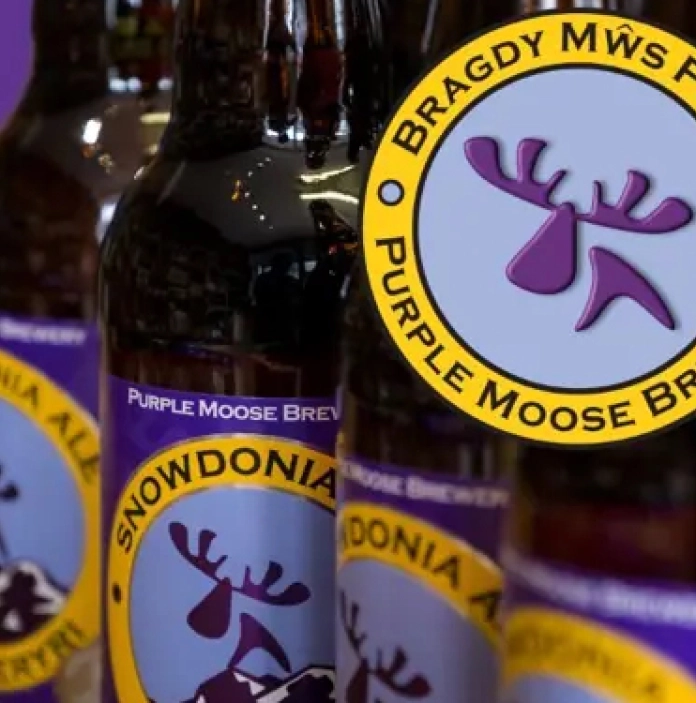
Purple Moose Brewery is based in the harbour town of Porthmadog in north Wales, and produces a whole range of different beers in cask and bottle and keg.
It began its journey into sustainability and decarbonisation during the Covid 19 pandemic when the brewery had some time to take a step back and look at the bigger picture to see sustainability as one of the key elements where it wanted to take its business forward.
The feasibility study via the Welsh Government assisted Purple Moose Brewery to really highlight some key areas that it could make changes like the installation of solar panels, better insulation on some of the brewing vessels and things like moving over to electric vehicles, whether that be the delivery vans or the forklift truck.
Cilgwenyn Bee Farm
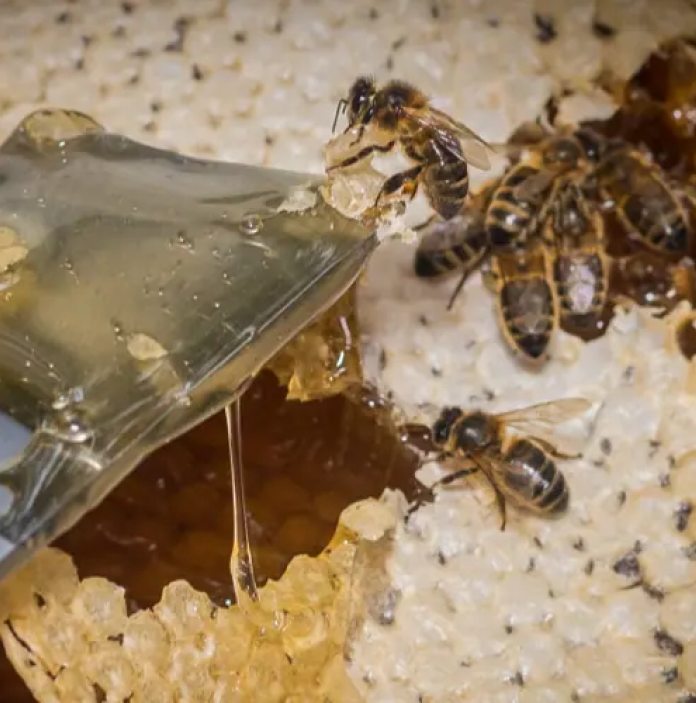
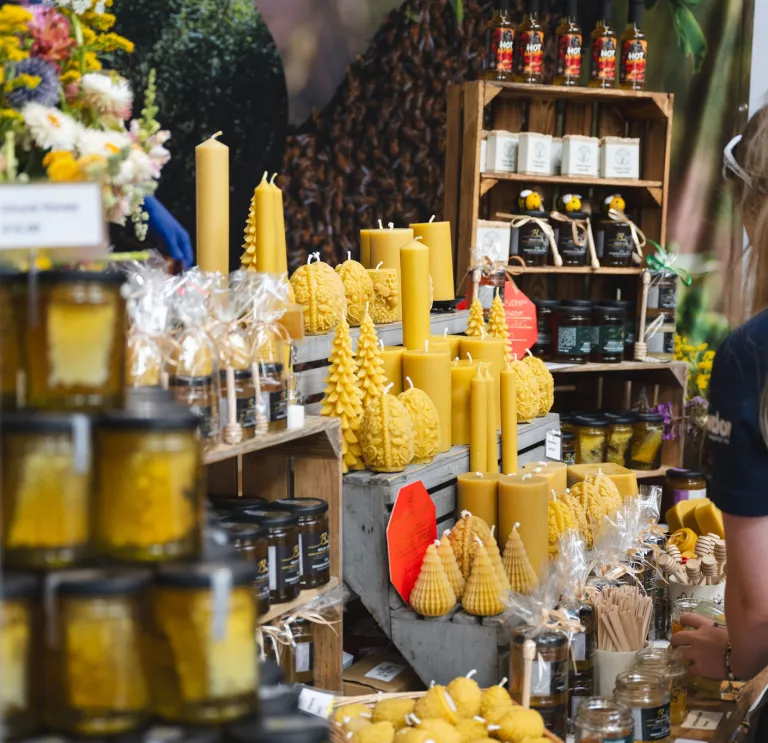
Cilgwenyn Bee Farm won a Rising Sustainability Star Award at the Speciality & Fine Food Fair due to its holistic approach to business after transforming a disused coal mine into a brand new bee farm, offering carbon-neutral honey.
Llangennech based Cilgwenyn Farm, Llanelli, has implemented a number of sustainability initiatives at its premises to reduce emissions, including creating its own electricity through solar power and planting enough trees to offset 30 years’ production of jars and lids. The honey is supplied in recycled and recyclable packaging.
The honey is collected from different apiaries in Wales – from the saltmarshes of the Gower to the uplands of Ceredigion. However, as the company does not use all of the electricity it produces and returns it to the grid, the carbon saved offsets the emissions from vehicle use.
The Pudding Compartment

The Pudding Compartment in Flintshire bakes sweet treats for the hospitality and specialist retail sectors. Employing 25 local people, the company takes great strides to improve its sustainability credentials.
With the assistance of the Sustainability Cluster, the company has had its carbon footprint measured, which identified inefficient ovens and use of plastic packaging.
While LED lighting has been installed throughout the premises, efficient ovens and greaseproof packaging have been introduced, saving money and the environment.
A member of the Cluster since 2020, the company was introduced to AMRC and has been working to fully automate its manufacturing process to Industry 4.0.
Bay Coffee Roasters
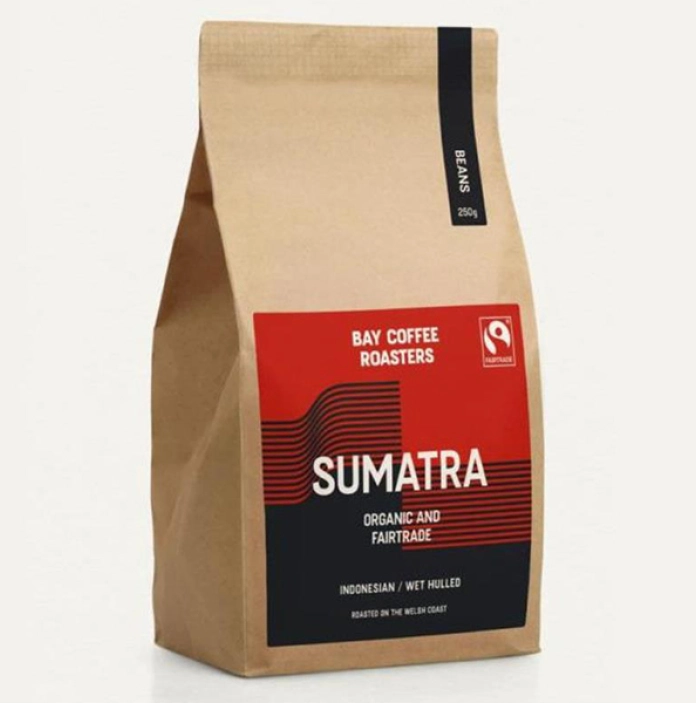
Based in Ceredigion, Bay Coffee Roasters roast, package and distribute coffee locally and nationally. The coffee is imported responsibly, helping the lives of the farmers who grow it.
Fairtrade and Organic registered, the company roasts coffee using electricity and steam, with the electricity sourced from a 100% traceable renewable energy supplier using a mix of wind, hydro and solar.
The company has received Welsh Government support over the years including support through the Sustainability Cluster. As a member of the Cluster, the company is kept up to date, via seminars and on a one-to-one basis, with key information such as the process on becoming a B-Corp company.
Ancre Hill Estates

Ancre Hill Estates produces biodynamic and organic wines on its 12 hectare site in Monmouthshire. The vineyard, alongside three other Welsh vineyards, participated in the ‘Reducing the use of synthetic chemicals in Welsh vineyards’ project.
The project looked at innovative ways of decarbonising the vineyards to improve their efficiency. This involved data gathering, by using a comprehensive weather system which allowed better informed decisions to the timing of sprays and helping limit the use of farm machinery, therefore, not only saving time and money for the businesses but also less harmful to the environment.
Supported by Welsh Government, the project also looked at how the vineyards could grow their businesses in terms of profitability and creating jobs in the wine industry in Wales.
Just Love Food Company
Just Love Food Company is a Welsh business with a clear ethos: creating delicious desserts that everyone can enjoy, including those with allergies or dietary restrictions. Their range of ‘free from’ cakes and treats reflects a commitment to inclusivity without compromising on taste.
As demand grew, the production line faced challenges. New equipment had been installed, but its placement created bottlenecks for other lines. Products had to be manually moved around the factory, slowing down packing and reducing overall efficiency. While the team worked hard to keep things moving, the layout was limiting their ability to scale.
Through the Food & Drink Wales Scale Up Programme, advisor David Languerand brought a fresh perspective and years of experience. By “walking the line,” David assessed the current setup and developed a plan for a new layout that made better use of the available space. His recommendations resolved a key health and safety issue and enabled integration of a packing machine, which streamlined operations and allowed two team members to be reassigned to roles better aligned with their skills. This change delivered £42,000 in annual savings while retaining valuable staff expertise. Alongside this, a flow-wrap machine was introduced, opening new sales channels with a major wholesaler and retailer, projected to generate £500,000 by 2027.
David also drove process improvements, reducing waste on one seasonal line from 20% to 3%, resulting in annual savings of £20,000 in raw materials and labour. He introduced a full waste review approach, improving overall waste reduction, and provided mentoring to Factory Manager Kirsty Parsons, adding qualitative value by sharing his years of expertise in managing production lines and new product development.
Kirsty comments: “David’s experience has been incredible. His mentoring has given me practical insights and confidence to manage production more effectively. Learning from someone with his depth of knowledge has been a real asset to both me and the business.”
These initiatives collectively enhanced operational efficiency, reduced costs and unlocked significant growth opportunities for Just Love Food.
Managing Director Mike Woods reflects on the impact:
“The Scale Up Programme has been invaluable. David’s expertise helped us unlock efficiency, reduce costs, and create a layout that works for our growth plans. The numbers speak for themselves, £42k annual savings, £20k waste reduction, and new sales channels worth half a million by 2027. His mentoring has strengthened our team and given us confidence for the future.”